Powell River Top General Contractor for Home Renovation Services
Powell River Top General Contractor for Home Renovation Services
Blog Article
General Contractor: Your Trusted Professional for Home Projects
A general contractor fulfills an crucial role in home projects. They manage various aspects of construction, guaranteeing that everything runs smoothly. Their knowledge in building codes and regulations allows them to handle the intricacies of licenses and assessments. This professional serves as a vital link between clients and subcontractors. However, many homeowners remain uncertain about the full scope of their offerings. Understanding these details can significantly impact the success of any remodeling endeavor.
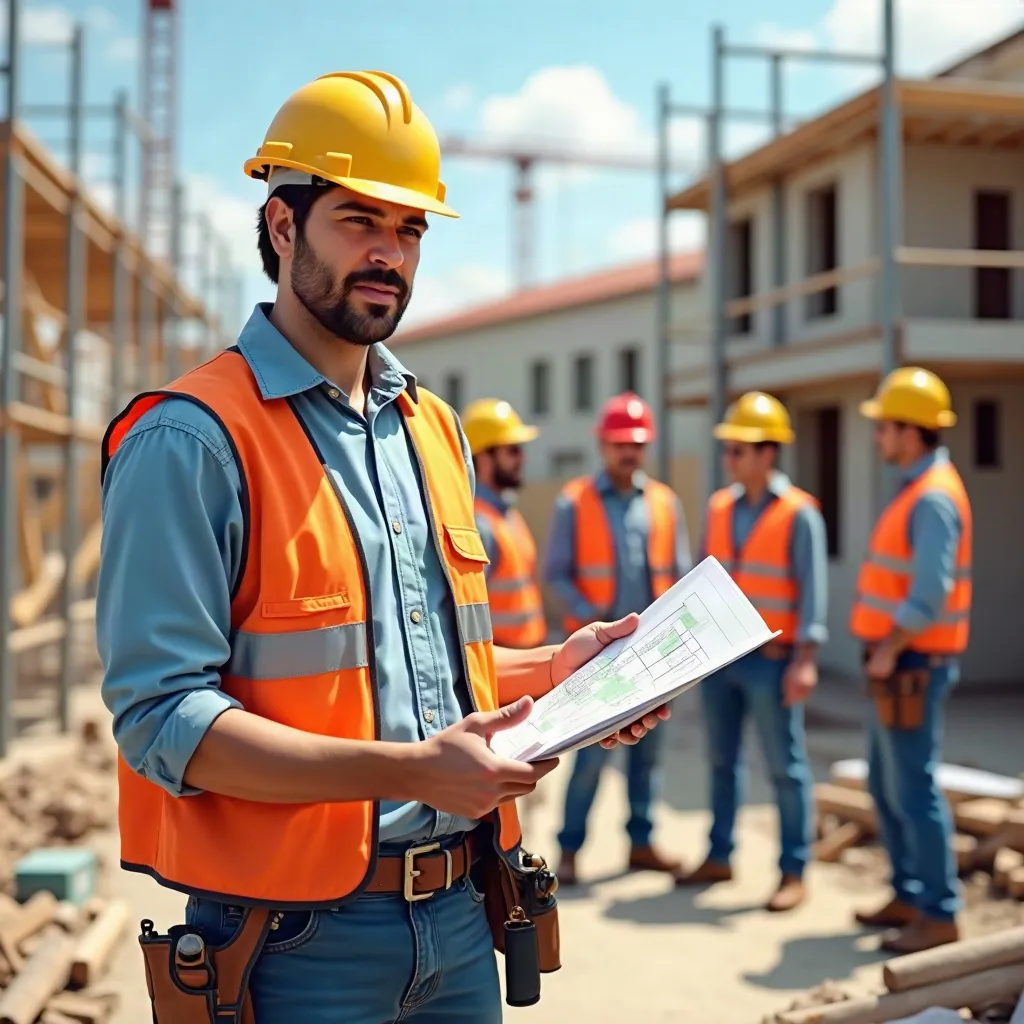
What Does a General Contractor Perform?
A construction manager orchestrates the various elements of a building endeavor, guaranteeing that everything runs smoothly from start to finish. They serve as the primary point of contact, managing communication between clients, specialized contractors, and vendors. This role includes planning the construction schedule, organizing labor, and maintaining compliance with local building codes and requirements.
General contractors are in charge of obtaining necessary permits and scheduling inspections, which are essential to upholding safety and quality benchmarks. They also handle budgeting, sourcing materials, and managing on-site activities to mitigate any potential delays or issues. In addition, they supervise subcontractors, ensuring that each phase of construction conforms to project specifications and timelines. Overall, a general contractor's expertise and organizational skills are crucial for completing a successful construction project, turning a client's vision into reality while balancing multiple tasks and responsibilities.
Benefits of Hiring a General Contractor for Home Remodeling
Working with a general contractor for house remodeling delivers multiple advantages that can significantly boost the efficiency and quality of the job. Experienced contractors deliver knowledge in overseeing projects, ensuring that timelines are met and resources are allocated effectively. Their long-standing relationships with trade professionals can result in better rates and superior workmanship, which in turn helps homeowners by saving both time and money.
Moreover, construction managers manage the complex aspects of permits and inspections, reducing possible regulatory problems. They also provide a single point of contact, easing dialogue and collaboration among different contractors. This optimization reduces the likelihood of misunderstandings and delays.
Furthermore, their experience allows them to foresee possible issues, facilitating proactive solutions to keep the project on track. By engaging a general contractor, homeowners can concentrate on their vision while experiencing peace of mind, understanding that a professional is managing every aspect of the renovation.
Dispelling False Beliefs Surrounding Builders
Although many property owners may have erroneous ideas about general contractors, grasping the realities can lead to more informed decisions. A common myth is that hiring a contractor is not essential for minor projects; still, their expertise can ease even minor renovations, ensuring conformance with local codes. Another typical belief is that contractors are just middlemen, but they often have comprehensive knowledge in different fields, allowing them to direct projects efficiently. Moreover, some clients assume that working with a contractor will greatly raise costs. In reality, a skilled contractor can often obtain better deals for materials and labor through established relationships with vendors and subcontractors. Lastly, many think that general contractors are unbending, but reliable contractors focus on client communication and work closely to satisfy particular needs. Clearing up myths can empower clients to harness the true value of contractors when completing successful home projects.
Identifying the Most Suitable General Contractor?
How can homeowners ensure they choose the right general contractor for their assignments? The approach begins with comprehensive investigation. Homeowners should obtain recommendations from friends, family, and online reviews to find qualified contractors. Once a compilation is assembled, verifying qualifications, such as licensing, bonding, and insurance, is essential to verify credibility.
Next, property owners should ask for and examine portfolios of past projects, concentrating on assignments of comparable size. Setting up interviews allows property owners to assess fit, discussing schedules, costs, and requirements. It's also advisable to obtain multiple quotes for evaluation, offering a clear understanding of costs.
Reviewing references provides insight into a contractor's reliability and professionalism. Finally, relying on your gut feeling is crucial; an opening discussion can uncover a contractor's way of communicating and methodology. By implementing these procedures, homeowners can markedly increase their odds of choosing a general contractor who aligns with their project needs and vision.
Optimal Interaction Solutions Partnering With Your General Contractor
Which strategies can homeowners apply to maintain strong communication with their general contractor? Initiating clear communication from the start is critical. Homeowners should plainly communicate their expectations, project aims, and financial limits during preliminary talks. Frequent communications can be enabled through scheduled meetings, guaranteeing that both parties remain synchronized throughout the project.
Leveraging written documentation, like email exchanges and project logs, reinforces verbal agreements and decreases misunderstandings. Homeowners should equally support transparent communication by welcoming responses and inquiries from the contractor, fostering a cooperative environment.
Additionally, harnessing modern solutions, such as project management apps, can optimize communication by delivering a consolidated hub for distributing updates, timelines, and changes. Finally, showing consideration and approachability can improve understanding, enabling it easier for the contractor to share challenges or suggestions in an effective manner. By adopting these strategies, homeowners can foster a productive and transparent relationship with their general contractor.
What to Prepare For When Your Undertaking Begins?
As the work commences, homeowners can look forward to a flurry of activity on-site. The general contractor will manage squads of experienced workers, including electricians, plumbers, and carpenters, who will get started their work per the established timeline. Homeowners may notice heavy machinery and materials being delivered, creating a bustling feel.
Communication remains vital during this phase. The contractor will give progress reports on progress and handle any issues that arise. Homeowners should prepare for possible disruptions, such as noise and limited entry to specific areas of the home.
Safety safeguards will be in place to protect both workers and residents, ensuring a secure environment. Additionally, homeowners may be advised to maintain flexibility, as unforeseen issues can arise, necessitating adjustments to the original plan. Overall, this initial phase creates the conditions for assessment the successful completion of the project, and active commitment is essential.
Key Topics for Your General Contractor Arrangement?
Deciding which queries to ask when completing a general contractor agreement is important for ensuring a smooth project. Homeowners should check about the contractor's credentials and policy to verify their qualifications and protection against liabilities. Understanding the project schedule and goals is key; therefore, asking about estimated completion dates helps align expectations.
It is also vital to define payment terms, comprising initial payments and payment schedules, to sidestep misunderstandings. Homeowners should obtain a thorough accounting of fees, encompassing components and services, to guarantee transparency. Moreover, deliberating the method for managing changes or unforeseen issues can thwart disagreements afterwards.
To wrap up, property owners should find out about subcontractors and their experience, as well as the communication methods of the contractor throughout the project. By tackling these questions, property owners can maintain a strong partnership with their primary contractor, ultimately enabling a successful home improvement project.
Often Asked FAQs
How Will General Contractors Set Their Fees for Services?
General contractors typically charge through fixed fees, per-hour charges, or a portion of the overall project expense. Their costs may also encompass supplies, labor, and operational expenses, depending on the complexity and extent of the project.
Can a General Contractor Provide Aid With Permits and Inspections?
Yes, a construction contractor can help with obtaining permits and managing inspections. They typically handle local regulations and ensure compliance, simplifying the workflow for homeowners while facilitating necessary approvals throughout the construction project.
What Skills Should I Select in a General Contractor?
When selecting a general contractor, one should evaluate credentials such as licensing, insurance, experience in relevant projects, solid recommendations, and strong communication abilities, guaranteeing they possess the necessary expertise to oversee the project successfully.
What is the Timeline of a Typical Home Renovation Project?
A common home remodeling job can span anywhere from a few weeks to several months, reliant on the scope, complexity, and size of the project, as well as the supply of materials and labor.
What Takes Place if My Undertaking Goes Over Cost Allowance?
If a project goes over budget, the builder typically discusses the causes and alternatives with the property owner. Changes may consist of scaling back, obtaining more funds, or modifying the project parameters to match financial limits.
Report this page