Dunellen General Contractor for Quality Home Construction Services
Dunellen General Contractor for Quality Home Construction Services
Blog Article
Why Choosing the Right General Contractor Is Crucial for Your Project
Identifying the right main contractor is a fundamental call that can greatly influence a project's fruition. A suitable contractor guarantees efficient management and sticking to financial plans. Their ability to traverse challenges and maintain distinct communication is paramount. However, many project principals neglect critical factors in this selection cycle. Appreciating these particulars can advance to better consequences and increased contentment. What should one think about when making this significant choice?
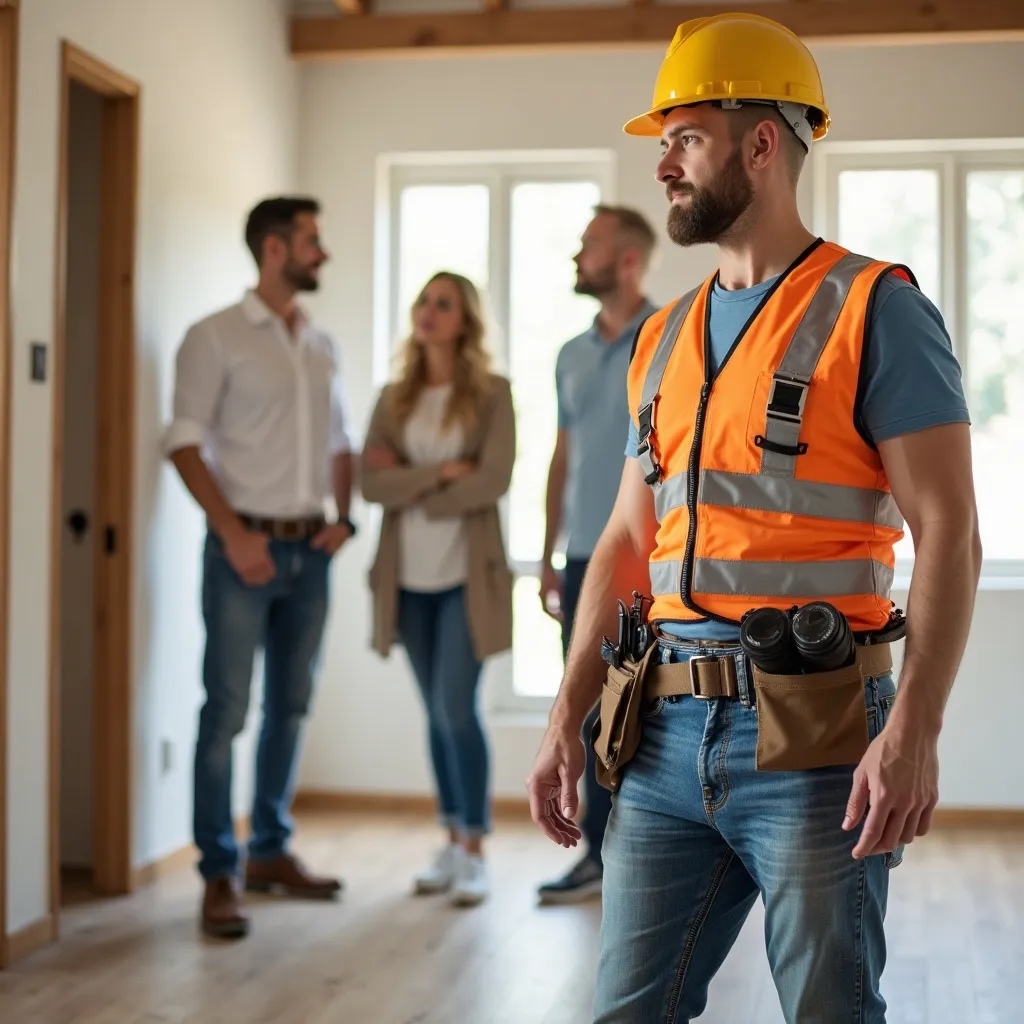
Common Obstacles in Hiring a General Builder
When evaluating a building contractor, potential clients often encounter numerous typical challenges that can impede the selection process. One major obstacle is the vast quantity of options available, which can cause uncertainty and hesitation. Clients may struggle to distinguish among contractors based on credentials, background, and cost, making it challenging to identify who will best meet their project needs.
One issue is the lack of transparency in contractor bids, where undisclosed charges may manifest later, changing the project budget. In addition, clients may encounter difficulties involving dialogue; some contractors may neglect to keep clients informed during the execution, producing annoyance. Ultimately, clients often contend with confirming a contractor's references and prior work, which can generate uncertainty regarding the quality of service expected. These complications necessitate careful consideration and research to guarantee the right choice is determined.
Why a Dependable General Contractor Is Critical
A reliable general contractor plays an essential role in ensuring efficient project management and maintaining quality standards. Their knowledge helps streamline processes, reducing costs and delays. Additionally, a reliable contractor upholds quality standards, resulting in excellent workmanship and customer satisfaction.
Boost Project Oversight Efficiency
Effective project coordination depends on the trustworthiness of a general contractor. A trustworthy contractor ensures that deadlines are met, resources are allocated properly, and communication flows seamlessly among all stakeholders. Their competence in managing subcontractors, suppliers, and laborers has a direct effect on the overall advancement and success of the project. A reliable contractor foresees challenges, applies solutions quickly, and remains focused on project goals, minimizing holdups and budget overruns. This effectiveness encourages a collaborative environment, allowing for adjustments and improvements where necessary. Ultimately, the general contractor's dependability boosts both the operational aspects of the project and the confidence among clients and team members, making sure everyone is aligned toward a successful outcome.
Quality Assurance Standards
Trustworthy general contractors play a critical role in upholding quality guidelines throughout the project duration. They guarantee that the work meets established guidelines and industry standards, essential for the durability and safety of the structure. A competent contractor manages materials and workmanship closely, conducting routine inspections to spot and correct issues promptly. This proactive method mitigates risks connected with poor construction, ultimately safeguarding the investment. Additionally, a reliable contractor encourages communication between all stakeholders, making sure expectations are transparent and met. Prioritizing quality assurance, a skilled general contractor data not only betters the final product but also builds client trust, forming the basis for successful project completion.
Assessing a Contractor's Expertise and Reputation
When selecting a general contractor, comprehending their experience and reputation is essential, as these factors greatly influence project outcomes. A contractor's experience typically reflects their ability to handle various kinds of projects, complexities, and obstacles. Examining their portfolio offers perspective into past work, displaying craftsmanship and attention to detail.
Furthermore, reputation plays a crucial role in building trust. Prospective clients should look for web-based feedback, testimonials, and references to assess satisfaction levels from previous clients. Communicating with past customers can uncover the contractor's reliability, communication skills, and compliance with timelines and budgets.
Moreover, industry affiliations and endorsements can fortify a contractor's authenticity, conveying a commitment to quality and virtuous practices. By thoroughly evaluating both proficiency and prestige, clients can determine the best choice, ultimately setting the stage for a outstanding construction project.
Vital Characteristics of a Honest Contractor
A dependable contractor consistently exhibits integrity, transparency, and strong interpersonal abilities. These vital qualities create the basis of a successful professional partnership. Honesty ensures the contractor conforms to ethical practices, providing truthful evaluations and realistic schedules. Transparency entails fully disclosing project details, encompassing costs and possible obstacles, building trust between the contractor and the client.
Robust communication abilities enable the contractor to effectively convey ideas, understand client requirements, and quickly resolve any issues that arise during the project. Additionally, a reliable contractor demonstrates adaptability, reacting to changes and unforeseen circumstances with flexibility and composure. Careful attention to detail is an additional important trait; it reflects a commitment to quality and accuracy in every aspect of the work. In the end, these qualities not only improve project outcomes but also contribute to a positive interaction for clients, making the selection of a trustworthy contractor all the more vital.
Essential Questions When Engaging Your General Contractor?
How might one ensure they pick the appropriate general contractor for their project? By asking a set of focused questions, potential clients can better evaluate candidates. Initially, inquiring about the contractor's experience with like projects provides insight into their expertise. It's also important to ask for references; talking with previous clients can reveal the contractor's reliability and standard of work.
Then, reviewing licensing and insurance verifies that the contractor meets legal requirements and protects the client from potential liabilities. Clients must also inquire about timelines and project management strategies to assess how the contractor will manage the project productively.
Budget conversations are essential; requesting a detailed estimate prevents unexpected costs later. Finally, comprehending the contractor's preferred communication style can set the foundation for a successful partnership. By tackling these key questions, clients can make informed decisions in selecting their general contractor.
Effective Exchange Between You and Your Contractor
Effective communication with a contractor is necessary for project accomplishment. Clarifying clear parameters and delivering immediate updates can avert misunderstandings that often lead to costly delays. Additionally, promoting an honest dialogue develops confidence, ensuring a smoother teamwork throughout the building undertaking.
Explicit Parameters Ensure Success
Defining precise expectations is necessary for a successful partnership with a general contractor. Effective communication lays the foundation for a mutual understanding of project goals, timelines, and budget constraints. When both parties discuss their needs and concerns, it minimizes the risk of misunderstandings that may disrupt progress. A contractor who knows the specific requirements can assign resources wisely and proactively handle potential challenges. Additionally, clear expectations promotes accountability, guaranteeing the contractor fulfills commitments and that the homeowner feels engaged in the process. By prioritizing open dialogue early on, clients can strengthen collaboration and satisfaction, ultimately resulting in a more seamless project delivery. Clear expectations not only simplify operations but also foster trust between the homeowner and the contractor.
Quick Updates Stop Confusion
Establishing distinct parameters builds the groundwork for effective collaboration, yet frequent contact is absolutely important. Regular reports from a general contractor can prevent confusion that may occur throughout a assignment. If contractors regularly deliver progress information, customers keep informed of schedules, cost modifications, and conceivable obstacles. Such anticipatory engagement functions to harmonize both sides' objectives and decreases the risk of disagreements later. Moreover, when challenges arise, immediate notification permits speedier resolutions, maintaining the work moving forward. Through establishing a atmosphere of transparent dialogue, contractors demonstrate their commitment to the work's success, ultimately producing a more efficient workflow and greater client satisfaction. As a result, timely updates act as a cornerstone in preserving comprehension and trust during the building journey.
Open Communication Develops Trust
While a initiative advances, maintaining an open dialogue with the general contractor becomes vital for nurturing faith and cooperation. Solid communication assures that all parties have a clear understanding of expectations, timelines, and potential difficulties. When contractors and project owners take part in regular discussions, it allows for the detection of issues before they escalate, limiting delays. This transparency not only builds trust but also boosts the overall construction journey. Additionally, an established communication pathway encourages feedback, enabling the contractor to make adjustments that correspond to the client's vision. Ultimately, strong communication establishes a groundwork of shared respect, which is critical for the successful completion of any construction work. Trust developed through dialogue leads to better outcomes for everyone engaged.
Popular Asked Questions
What ways can I use to assess if a Contractor is Licensed?
To ascertain if a contractor is licensed, one should consult local official boards and digital resources, authenticate their license number, and ensure it's active. Additionally, checking online reviews can deliver perspective on their reputation and consistency.
What Insurance Does My Service Provider Require?
A contractor should carry general liability insurance, occupational injury insurance, and, if pertinent, liability for professional negligence. These address potential damages, workplace injuries, and construction defects, ensuring fiscal safety for both the contractor and the client.
What's the Best Way to Examine a Construction Professional's References?
To verify a contractor's references, one should request a compilation of previous clients, contact them directly, and ask regarding their feedback. Furthermore, researching internet feedback and scores can provide valuable insights into the contractor's trustworthiness.
What Might I Consider if Issues Materialize During the Engagement?
If problems occur during the project, one should record the difficulties, speak openly to the contractor, and find a solution. If required, involving a third party or seeking legal advice may also be suitable.
Are There Red Flags to Monitor During the Hiring Process?
Red flags throughout the recruitment phase include vague estimates, no references, substandard communication, inadequate licenses, and adverse online reviews. These indicators intimate conceivable complications that could impact the project's quality and timeline.
Report this page